
We've got ideas
Let's work on 'em.
I’ve been coming up with a lot of ideas lately. Refining them, sending them to the client, hopping on a call, refining them further. This is one of the favorite parts of my job. Throw on my headphones, do some research, and crank out a bunch of story concepts and themes.
Longtime readers know the Three Point Four Media origin story by now: a couple of freelance journalists put their heads together to help brands big and small tell their story. We don’t list “ideation” as a service on our site or in our capabilities deck, but I’m starting to think we should. We’re very good at it. Back when we were freelance journalists, ideas were our currency, our single most important stream of revenue. The best freelance writers aren’t necessarily the people writing glossy cover stories—though they are obviously very good at their jobs—but the kind of guys like your friends at Three Point Four who can constantly and consistently pump out good ideas and (this is crucial!) work to improve those ideas collaboratively with editors. I’ve been really happy and grateful to be back in that space the past month for our clients.
Onto the links.
An article
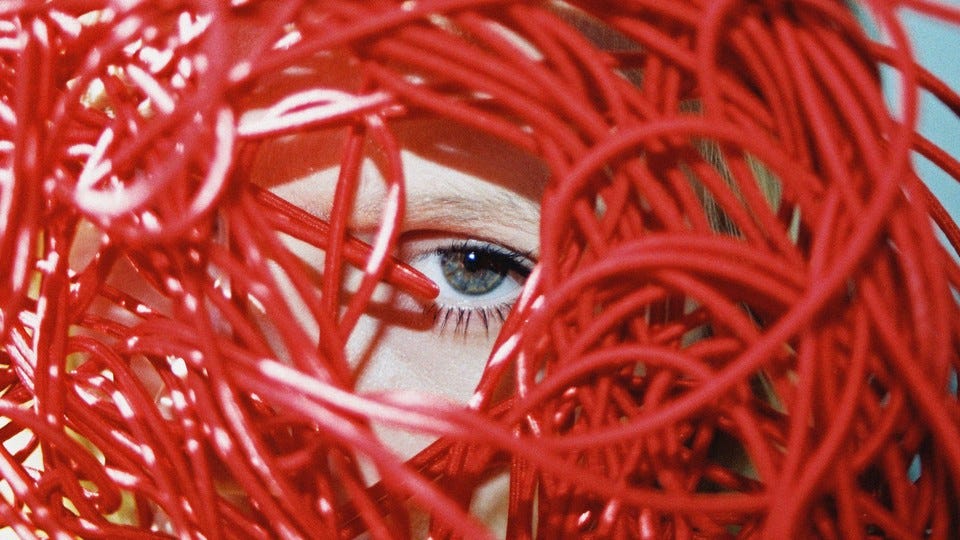
At this point, my monthly installments in this newsletter are a long-running bit about my attempt to be both bored and more focused. Loved this David Epstein piece in The Atlantic about focusing on one thing at a time. This bit resonated with me:
Simon believed that technology now delivers so much information that it exceeds our capacity to attend to it. “The design principle that attention is scarce and must be preserved is very different from a principle of ‘the more information the better,’” he said. How would we live and work if we prioritized the principle that attention is scarce? For one thing, we wouldn’t check email 77 times a day—the average in one of Mark’s studies.
***
A project

New work for Dr. Steve Klein in Stat News, exploring the risks of using AI in addiction medicine.
What troubled me most was the possibility that patients might mistake simulated empathy for genuine human connection. For me, the art of medicine requires the ability to connect authentically with my patients. That connection is bidirectional, intentional, and therapeutic. With AI, we risk losing that connection.
Read the whole thing here: Using AI in addiction medicine could be particularly risky
***
A concert
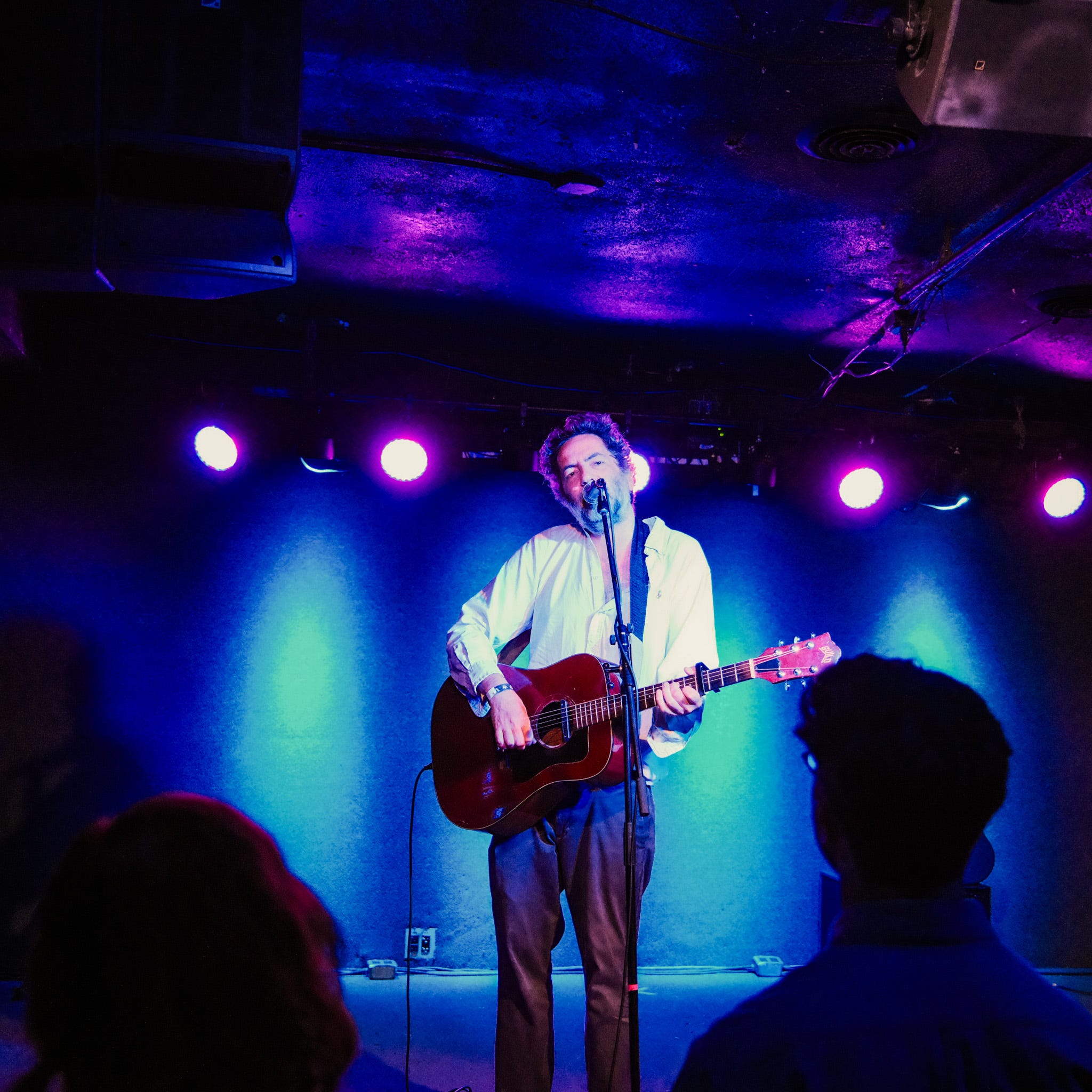
Destroyer’s Dan Bejar played The Blind Pig in Ann Arbor on a short solo tour that came through Ontario and Michigan. I’d seen Destroyer with the full band before, but it was a treat to see Bejar in a small club with nothing but an acoustic guitar and a hilariously large mug of beer. He played a setlist that spanned his entire career. He did a funny little bow after each song. He played a song called “Cue Synthesizer”… unplugged. To quote friend-of-the-newsletter and Pitchfork deputy director Jeremy D. Larson in a post-concert text exchange:
Seeing Bejar in a small room like this, there’s something kind of melancholy about it to me because the feeling I have is that I’m watching a megawatt famous songwriter like Dylan do a tiny little underplay.
Anyway, Bejar is special. Go listen to 2011’s Kaputt today, which Bejar once described as his attempt to “make a record that sounds like you put it on at the salon or a dinner party, something that people wouldn’t instantly request to be taken off.”
***
A video of Paul Thomas Anderson talking about martinis

No clue when this is from or where it was filmed but I was just made aware of it and it’s terrific.
***
A run
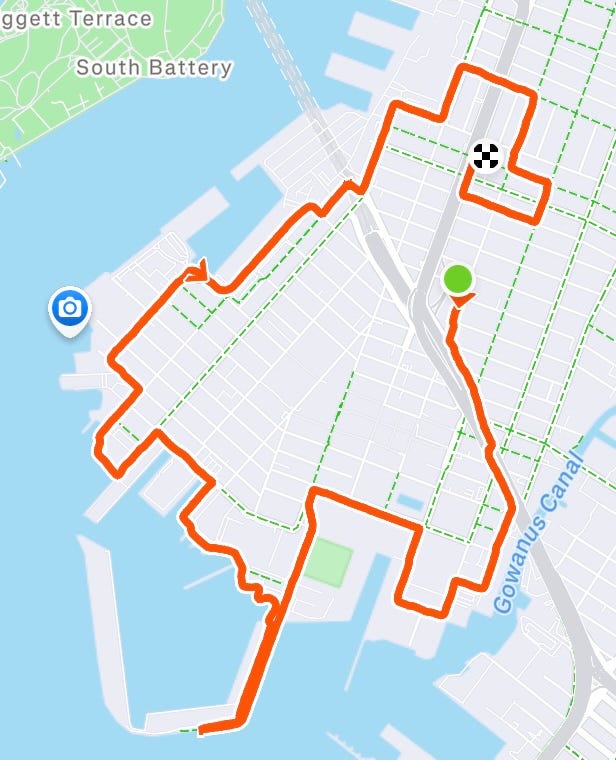
We got the band back together in Brooklyn last week. A very nice workout through Red Hook and along the Brooklyn waterfront: 4x3 minutes hard with 3 minutes walk/jog rest. I almost got hit by a truck. I really like running this loop when I’m in town because it looks kind of like you’re giving Strava the middle finger. We finished at an Italian spot where we bought huge sandwiches.
***
Some advice from our lawyer!

 | A guest post by
|