
“My identity isn’t wrapped up in being a journalist.”
The TPF Q&A with freelance reporter and content writer Ann-Marie Alcántara
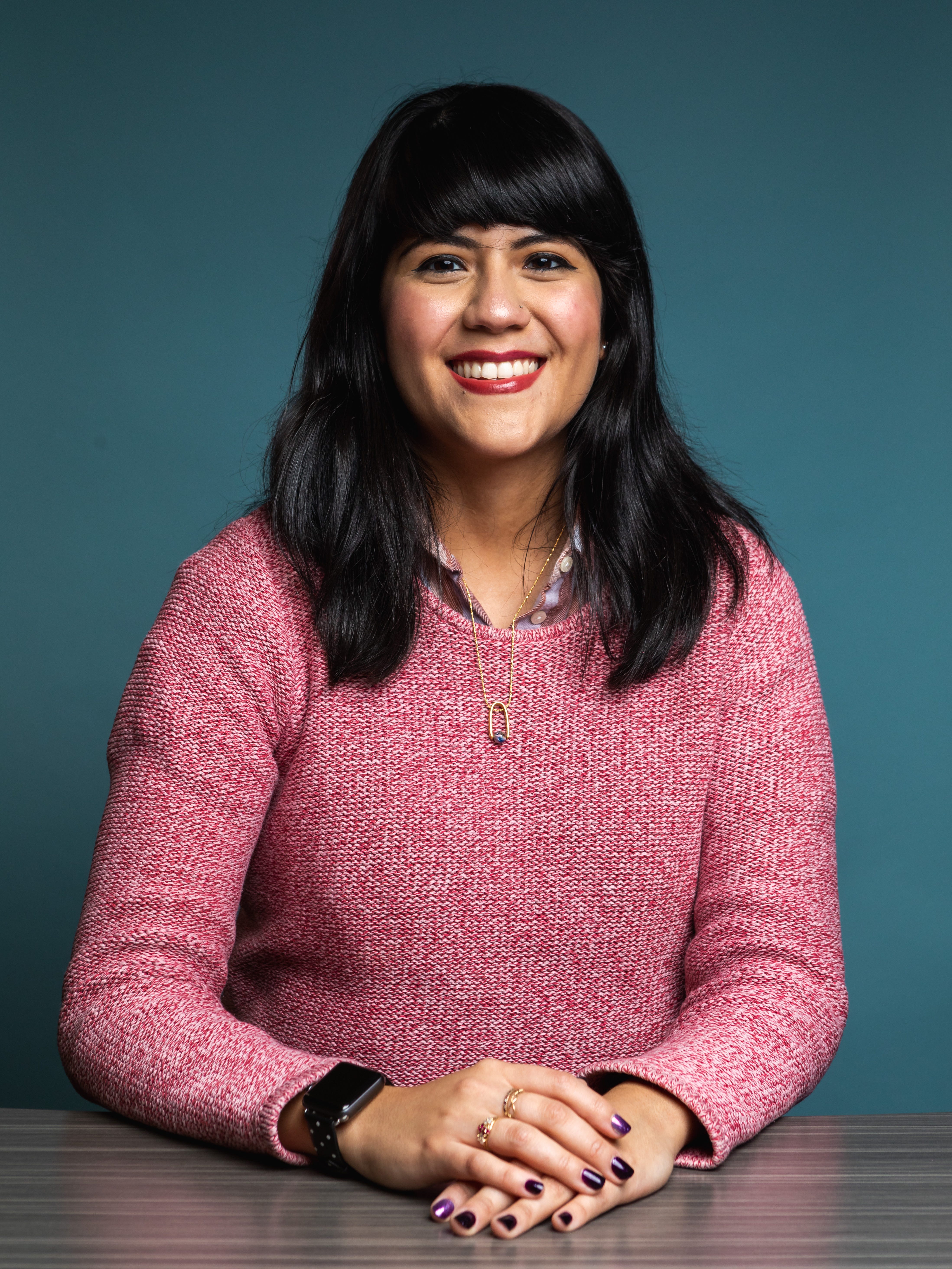
Ann-Marie Alcántara is out. After more than a decade of working as a tech and culture reporter at outlets including The Wall Street Journal and AdWeek, she left to pursue “a full-time gig as a content strategist, trends manager or in some sort of storytelling role.” We, of course, love that idea.
So I called Ann-Marie up to talk leaving journalism, learning to make mistakes, and the tyranny of short-form video.
Three Point Four Media: Why was now the right time to make the jump?
Ann-Marie Alcántara: Two things. The first: AI is moving so fast, and if there was ever time to make a career move, it’s now while there’s still time to learn alongside AI.
Two: There is only so much news about layoffs and the business shrinking that you can take as a professional and continue to believe in staying long term.
As someone who left the journalism world for similar reasons, I get that. Did you grow up wanting to be a reporter? Or did you fall into it?
I fell into it. I always liked reading and writing as a little kid. I was a total bookworm. But I studied environmental studies in college. I was considering going the science research route, until I realized I didn’t like it. I wanted to do ecological studies, and that means long hours outside. I just didn’t enjoy that, so I pivoted to science communications.
Those Nature Conservancy internships on your resume make a lot more sense now.
Yep. Most importantly, marketing and PR internships paid versus journalism, which did not at the time.
There was a margarita cart on Fridays.
You ended up interning at BuzzFeed and Mashable in the mid-2010s. What a time to be there.
It was the heyday of those companies. There was so much opportunity for an intern. At Mashable, especially, they let you learn how to write and figure things out. The BuzzFeed fellowship was designed to get you a full-time job at the end of it. I did all the fun quizzes and things that BuzzFeed was doing. Everyone was young, and the company was really young, too. I learned how to find stories on the Internet, which sounds silly to say in 2026, but it’s a skill. There was a margarita cart on Fridays. It was a great time to learn.
Those two companies were very serious about the journalism, and they allowed you to be human, to make mistakes, and to learn. A correction shouldn’t be the end of the world.
It seems fair to say that journalism was not a calling for you in the way it is for some people. It was something you found a way into and were good at. I feel the same way about my career. And I think that made it easier for me to get out of journalism, to think about other ways to use the skills I developed, and to start something like Three Point Four Media. Does that track with your experience?
I went to a liberal arts college where you can’t literally major in something like a career. There’s no accounting major at Vassar. That’s partially why I never felt like journalism was the calling. I liked writing, learning about people, listening, and reading stories. The marketing and PR internships were journalism-adjacent so I learned a little bit of how it works. I never went to J school. My identity isn’t wrapped up in being a journalist. I never broke through with the Twitter media crowd. Some of my colleagues and friends who were journalism majors did tours of The Wall Street Journal and other places in college. To me, it seemed impossible to get to those places.
I come from a low-income background, so it always comes down to money, too. To some extent, I have to follow the money. I don’t have a fallback. I have my Chase account that still says “College” on it. That’s all I’ve got.
All of that made it easier to think about leaving. I feel like I reached a natural end point. I didn’t want to start another beat and take a long time to get acquainted there.
You can tell a better story if there are more ways to tell that story.
You mentioned AI earlier. How are you using it?
I’m still in the beginner stages of using AI. Even though we were allowed to use it at the Journal for certain things, it felt wrong. I never wanted to use it for my writing. I was being paid for my reporting and writing skills. I love it for research, especially now that I’m freelancing. I’ll use it for something like dumping a report in and asking it to pull out the most important stats. I want to try to learn how to vibe code. That’s aspirational right now.
What’s the perfect job for you?
One where I can combine my writing with trend spotting. I’m really good at spotting trends early and knowing what is going to become a bigger moment across sports, beauty, fashion, and beyond. I’ve been writing a newsletter every other week for an agency, and the things I write about become much more popular and covered by major outlets a few weeks later.
We're all just living in Quibi’s world.
That level of awareness sounds exhausting. Do you feel like you have to know what’s going on all the time? How do you get away?
I try not to have a crazy amount of screen time. I can unplug. The biggest tool I use is the bookmark tool. It sounds simple, but it works. If I see something interesting, I’ll bookmark it. It’s a good way of staying on top of things without having to constantly live what’s happening. Three’s a trend, right?
Being at a big publication taught me that you can wait. You don’t always have to be first. You can tell a better story if there are more ways to tell that story.
It’s also different reporting for The Journal, which doesn’t need to be first, and probably shouldn’t be first, versus writing for a marketing agency that’s trying to be as early as possible.
Totally. At an agency, you want to create the campaign that brings something further into the mainstream. You need someone who’s really early.
Along those lines, what comes after short-form video? Or do we live with short-form video taking over forever?
We’re all just living in Quibi’s world.
Speaking of being too early.
Podcasts now are all becoming very video-based, which is great for someone like me. I really don’t like podcasts.
And the AI fruits! At first I was like, “This is so stupid. Why am I watching this?” And then I watched 20 in a row. I couldn’t pull myself away. Those are quick and easy, compared to two or three years to make a season of television.
Which is ridiculous. They are like eight episodes long.
It’s part of the same conversation though, right? Even if you grew up in a world that didn’t have seasonal TV, you still want to be entertained and always have something fun to watch after work, after school, or in between classes. Short form video offers that. Traditional TV takes too long, and it’s harder to consume. We’re in the short-form world for a bit longer. I don’t know what comes after. Back to the written word, maybe.
“We never would have gotten here had I just been a journalist.”

Rory Carroll is always tinkering. The veteran automotive journalist knows what he wants, which is why he does equal parts hilarious and amazing things in the garage, like tearing apart a 2007 Lexus SUV to his preferred specs or whatever it is he did with